
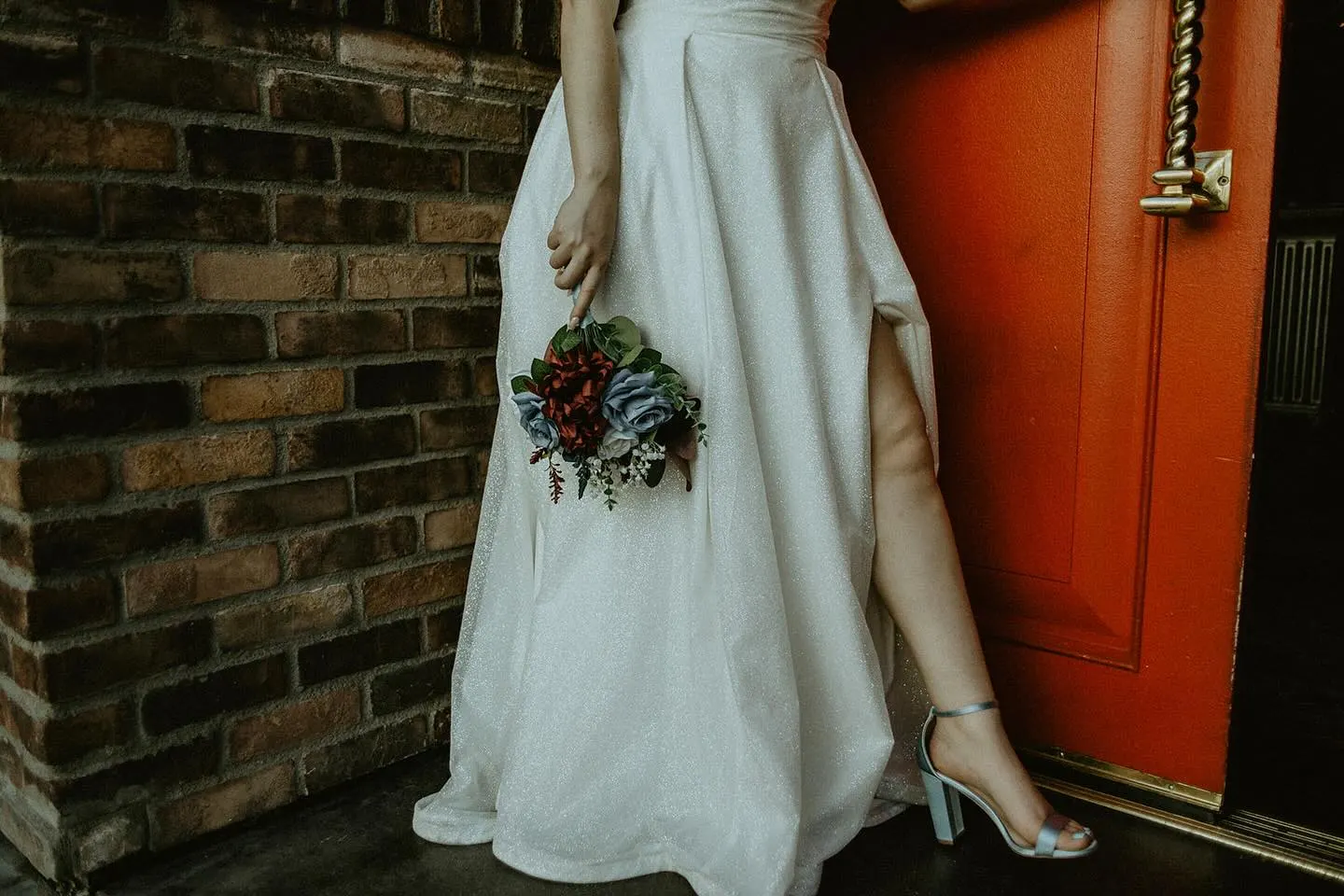
Las Vegas makes it easy to get married fast — which also makes it easy to get caught off-guard. Here are the mistakes couples make most often, and the straightforward fixes.
Booking a chapel without reading the package details
Many Las Vegas chapels advertise a base price that covers little more than the officiant and the room. Photography, flowers, a limousine, and the "premium" ceremony package are often sold separately — and the add-ons can triple your bill by checkout. Read every line of the contract and ask specifically what is and is not included. If you are bringing your own photographer, confirm the chapel allows outside vendors before you pay a deposit.
- Ask about outside-vendor policies before booking
- Get the final total in writing, including any processing or "facility" fees
- Confirm what happens if your party runs late — some chapels charge by the minute
Underestimating the heat — and the light
July and August in Las Vegas regularly hit 110 °F. If you are planning outdoor portraits at Red Rock Canyon, Valley of Fire, or Seven Magic Mountains, a midday session in summer is genuinely uncomfortable and the harsh overhead light is unflattering in photos. Sunrise and the final 90 minutes before sunset are the sweet spots year-round. Spring (March–May) and fall (September–November) give you more flexibility. Build heat logistics into your plan: transportation with AC, shaded staging areas, and water for everyone in the wedding party.
Forgetting the Clark County marriage license
You cannot legally marry in Nevada without a Clark County marriage license — and you must get it before the ceremony, not after. The Marriage License Bureau is at 201 E Clark Ave, downtown Las Vegas. Both parties must appear in person with valid photo ID. The fee is approximately $102. There is no waiting period, no blood test, and no residency requirement. The license is valid for one year and the ceremony must take place in Nevada. See our detailed walkthrough at how to get a marriage license in Las Vegas to avoid surprises on the day. Many couples do the license the morning of the wedding — allow at least an hour to park, wait, and process.
Skipping photo and permit logistics for outdoor locations
Red Rock Canyon requires a Special Recreation Permit for ceremonies and professional photography. Valley of Fire State Park requires a wedding and photography use permit — plan to apply roughly six weeks ahead. The Neon Museum requires a separate photo and wedding permit. If you show up without the right paperwork, staff can turn your wedding party away. Locking in permits early also lets you confirm your photographer is familiar with those locations — lighting and positioning differ significantly from a chapel or hotel ballroom.
- Red Rock Canyon: Special Recreation Permit required
- Valley of Fire: state park permit, apply ~6 weeks ahead
- Neon Museum: photo and wedding permit required
Treating the Strip as the only backdrop
The Strip is iconic, but it is also crowded, loud, and heavily lit at night in ways that can overpower portraits without careful technique. Couples who invest all their planning into one Strip location sometimes end up with photos that look identical to everyone else's. Consider mixing locations — a chapel ceremony followed by portraits at a rooftop, a mid-century neighborhood, or a desert park. Your Las Vegas wedding photographer can suggest combinations that work within your timeline and travel budget.
Leaving no buffer time in the schedule
Las Vegas traffic is unpredictable on weekends, and the Strip can back up significantly on Friday and Saturday evenings. If your ceremony is at 5 PM and portraits are planned for golden hour at a location 20 minutes away, a 30-minute traffic delay wipes out your best light. Build 30–45 minutes of buffer into any cross-town move, and share a realistic timeline with every vendor so everyone is working from the same expectations.