
Wedding videography has more creative styles than most couples realize. Choosing the wrong one means loving the footage your friend got and hating your own. Here is how to tell them apart and choose what fits your wedding.
Why style matters more than price
Two videographers charging the same rate can produce films that feel completely different — one is sweeping and emotional, the other is a straight documentation of events. Style is not a quality level; it is a creative approach, and the right approach depends on your personality, your venue, and what you plan to do with the film afterward. Before you compare packages or prices for your Las Vegas wedding video, decide what emotional experience you want when you watch the film years from now. That answer points directly to a style. Our wedding videography team discusses style in detail during every consultation.
Cinematic / film style
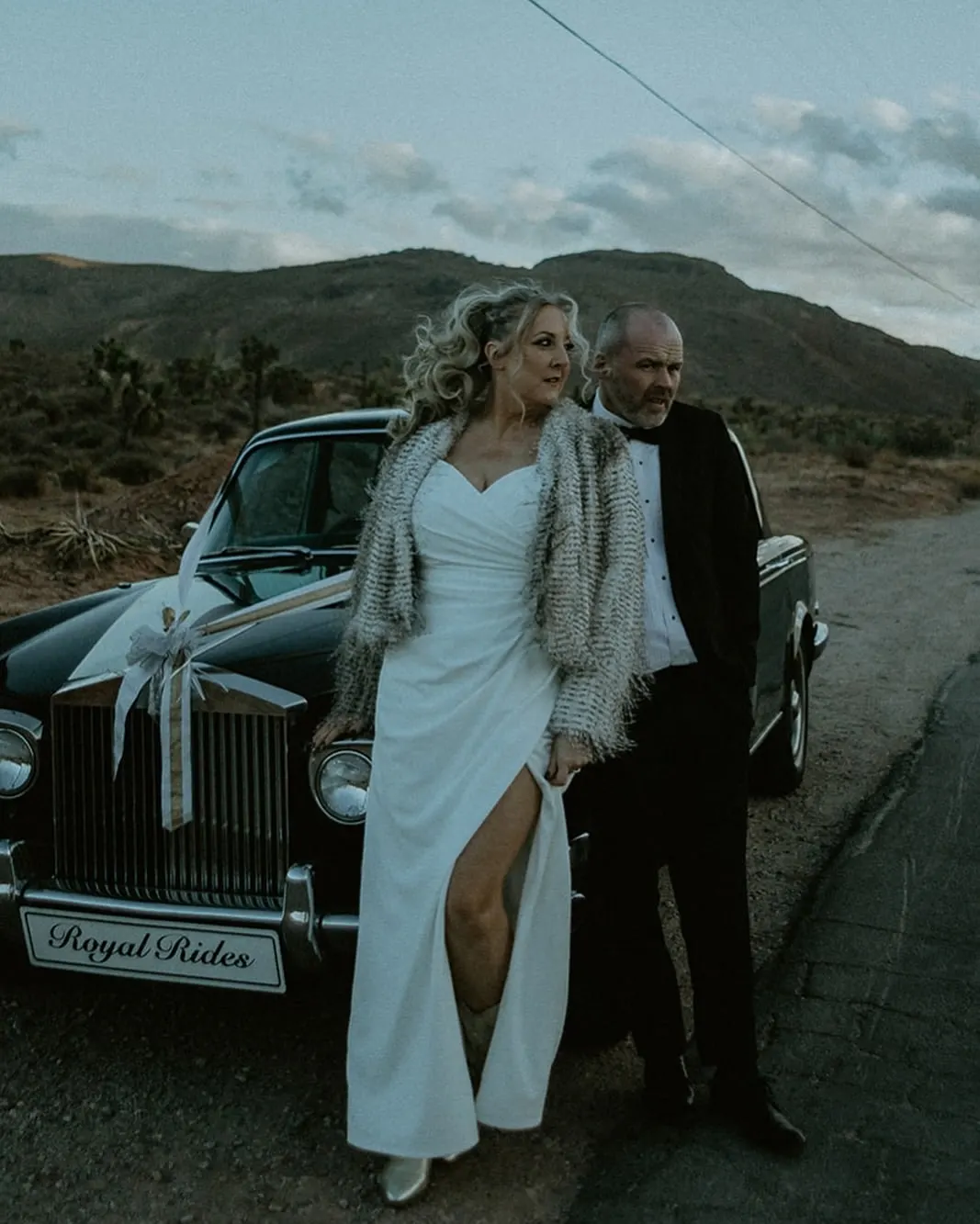
Cinematic wedding films are edited and color-graded to look like a short narrative movie. They typically feature dramatic music, intentional pacing, sweeping wide shots, and close-up details woven together into an arc — usually 5 to 12 minutes long. The videographer often uses a gimbal or slider for smooth motion, shoots in LOG or RAW for maximum color-grade latitude, and sometimes uses drone footage for establishing shots. If you have been moved by a wedding film that made you tear up before you even knew the couple, it was almost certainly cinematic style. Las Vegas offers great backdrops for this approach — the neon-lit Strip at dusk, desert landscapes, and dramatic resort architecture all translate beautifully to cinematic editing. This style requires the most post-production time and typically commands higher rates.
- Best for: couples who want an emotional, artistic film to watch and share
- Length: 5–12 minute highlight film, often with a longer ceremony cut available
- Signature look: color grading, cinematic music, intentional pacing
Documentary / journalistic style
Documentary-style wedding videography prioritizes capturing events as they actually happen — the vows in real time, candid speeches, genuine reactions — with minimal creative intervention. The editing is chronological and straightforward; the focus is on completeness and authenticity over aesthetic drama. Couples who are skeptical of "over-produced" wedding films often prefer this approach because it feels honest and unscripted. It is also useful for families who want to experience the full ceremony even if they couldn't attend. Documentary coverage typically results in longer final films — 30 minutes to 2 hours — that function more as a record than as a work of art. Many studios offer both a documentary full-length cut and a short cinematic highlight edit from the same footage.
- Best for: couples who want a complete record; families with members who couldn't attend
- Length: 30 minutes to 2 hours
- Signature look: natural color, chronological editing, real audio from the day
Highlight reel style
A highlight reel is a short, music-driven edit — typically 3 to 5 minutes — that covers the emotional peaks of the day: the first look, the walk down the aisle, the first kiss, toasts, and the first dance. It is designed for easy sharing on social media and quick emotional impact. Many couples choose a highlight reel as their primary deliverable because it is the version they will actually watch repeatedly and share with friends. Highlight reels are sometimes included in base photography packages as an add-on, which makes them a cost-effective entry point into wedding videography. If you are booking a standalone videographer, confirm whether the highlight reel is the only deliverable or whether a longer cut is also included.
- Best for: couples who want something shareable and easy to watch
- Length: 3–5 minutes
- Signature look: music-driven, covers the emotional peaks, optimized for social sharing
Aerial and multi-camera considerations
Drone footage and multi-camera setups are production upgrades available across all three styles — they are not a style themselves. Aerial drone shots add sweeping establishing visuals of your venue or outdoor location; a second camera angle during the ceremony captures reactions from the opposite side. Both add cost and complexity. In Las Vegas, drone use at outdoor wedding locations like Red Rock Canyon or Valley of Fire requires permits and FAA compliance — see our detailed post on drone wedding video rules in Las Vegas for the full breakdown. Strip-adjacent venues and resort properties may have additional airspace restrictions. Always confirm with your videographer that they hold the appropriate licenses and have obtained permits for your specific location before the wedding day.